By clicking “Accept All Cookies”, you agree to the storing of cookies on your device to enhance site navigation, analyze site usage, and assist in our marketing efforts. View our Privacy Policy for more information.
The Art of Resiliency
Learn how adapting to repeated challenges, controlling what you can control, and continuing forward can build lasting resiliency.
By
July 21, 2026

Related

Resiliency is often treated like a personality trait—something you either have or you do not.
I do not believe that.
Resiliency is built. It develops through repeated challenges, uncomfortable seasons, unexpected changes, and the decision to keep moving forward when circumstances are less than ideal.
It is not about pretending that hard things are easy. It is about learning how to adapt when the plan changes and continuing to take care of what is still within your control.
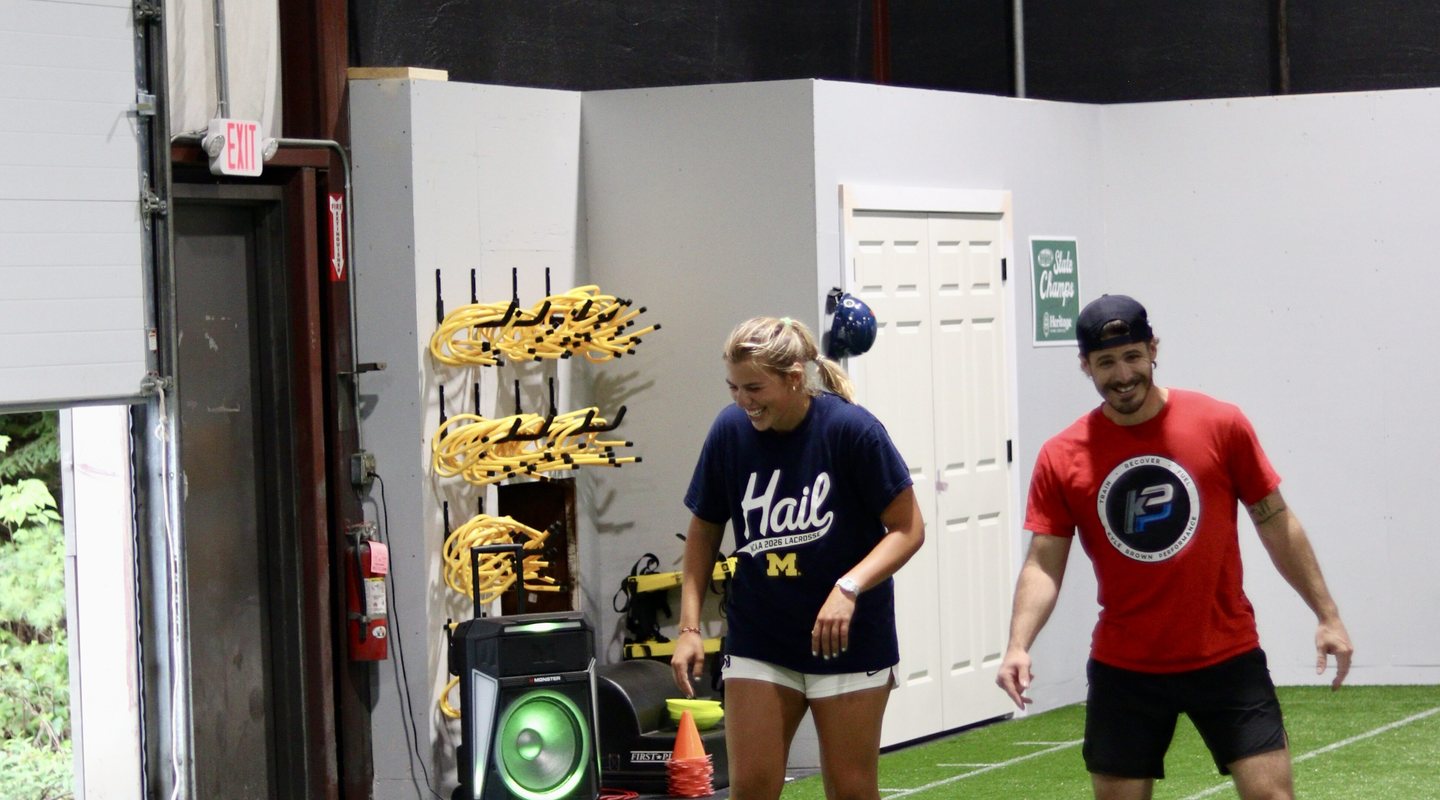
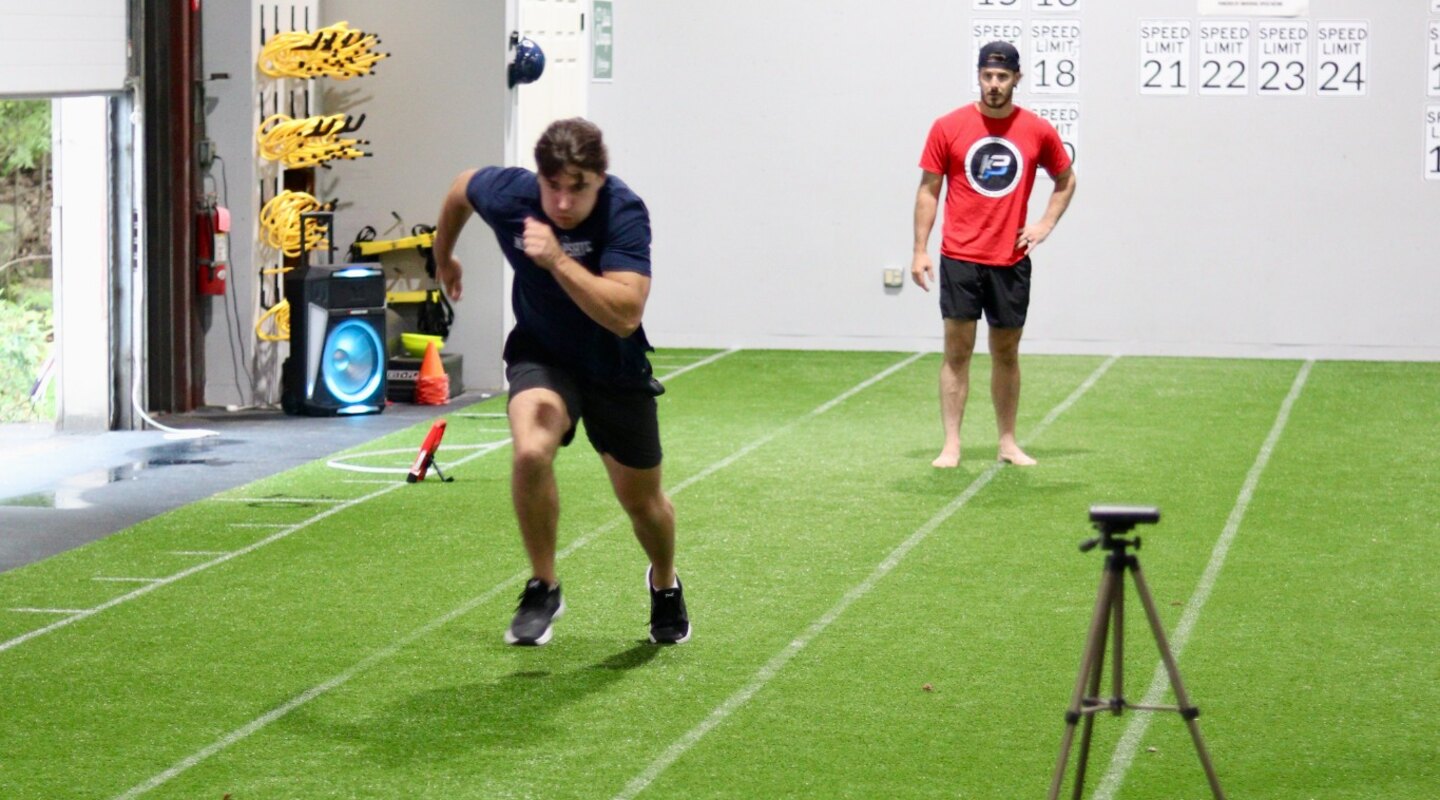
The process of building and moving Kyle Brown Performance into our new facility was a powerful reminder of that.
The Plan Rarely Survives Reality
Moving into a new facility was supposed to represent progress—and it did. It was an exciting step for KBP and something our team had worked hard to make possible.
But progress does not always arrive in a clean, comfortable package.
We moved into a different environment with new routines, new responsibilities, and new problems to solve. At times, we did not even have heat. Our staff and clients had to adjust while we were still trying to operate at the standard people expected from us.
It would have been easy to focus exclusively on everything that was not going according to plan.
We could not instantly fix every issue. We could not make the transition perfectly smooth. We could not control every delay, every inconvenience, or how quickly the new space began to feel like home.
But we could control how we responded.
We could show up. We could coach. We could communicate. We could solve the next problem in front of us. We could keep improving the facility one day at a time.
Most importantly, we could continue providing our clients with the support and training they came to KBP to receive.
That is resiliency in practice.
Control What You Can Control
This phrase gets repeated so often that it can begin to sound like a cliché. But when life becomes stressful, it is one of the most useful principles you can follow.
You cannot control every demand placed on your time. You cannot control a difficult week at work, a sudden change in your family schedule, the weather, traffic, or every ache that shows up in your body.
You cannot guarantee that you will always feel motivated or that every workout will go well.
You can control the next decision.
Maybe you cannot complete the workout you originally planned, but you can train for 30 minutes.
Maybe you cannot give your best physical performance that day, but you can communicate with your coach and adjust the session.
Maybe your nutrition has been inconsistent, but you can make the next meal a better one.
Maybe you missed a full week, but you can stop turning one difficult week into an entire lost month.
Resiliency is not found in controlling the uncontrollable. It is found in responding well to what happens next.
Adapting Is Not Quitting
Many adults struggle with an all-or-nothing approach to fitness. If they cannot follow the perfect routine, they feel as though the routine no longer counts.
When life interrupts the plan, they assume they have failed.
But adapting the plan is not abandoning the goal.
Real consistency does not mean doing the exact same thing under perfect conditions forever. It means staying connected to the goal as conditions change.
Sometimes that means pushing harder. Sometimes it means reducing the load, changing the exercise, shortening the session, or simply showing up to maintain momentum during a demanding season.
There is strength in knowing when and how to adjust.
The person who can adapt will remain in the process far longer than the person who depends on everything going perfectly.
At KBP, we do not need you to arrive as the toughest or most disciplined version of yourself every day. We need you to arrive willing to work with the day you have.
That gives us something to build from.
Repeated Challenges Build Capacity
No one wants constant adversity, and we should not glorify struggling simply for the sake of struggling.
But challenges have a way of showing us what we are capable of handling.
The first difficult season can feel overwhelming because it is unfamiliar. The next time life shifts, you have evidence.
You have solved problems before. You have trained when motivation was low. You have adjusted when your schedule changed. You have restarted after falling out of rhythm.
You know discomfort does not automatically mean danger, failure, or the end of your progress.
Each challenge becomes another repetition.
Just as strength is developed by gradually exposing the body to resistance, resiliency is developed by facing difficulty, adapting, recovering, and moving forward.
Over time, your capacity grows. The challenge may still be difficult, but you are no longer the same person meeting it.
Keep Moving Forward
The move into our new home tested KBP in ways we expected and in ways we did not.
We had to operate through discomfort, solve problems in real time, and stay focused on the purpose behind the move.
The experience reinforced something I have learned repeatedly as an athlete, coach, business owner, husband, and father:
You do not need perfect circumstances to make progress.
You need the willingness to adapt. You need the awareness to separate what you can control from what you cannot.
And you need enough courage to make the next useful decision—even when it is not the decision you originally planned to make.
Resiliency is not one heroic moment. It is the collection of ordinary responses that follow difficult moments.
The challenge comes. You adjust. You learn. You continue.
That is the art of resiliency.