By clicking “Accept All Cookies”, you agree to the storing of cookies on your device to enhance site navigation, analyze site usage, and assist in our marketing efforts. View our Privacy Policy for more information.
What Should You Actually Look for in a Training Facility?
What actually separates a great training facility from a place with equipment? KBP owner Kyle Brown explains the importance of programming, a coach's eye and consistent coaching.
By
October 19, 2026
Related

Estimated Read Time: 8 minutes
There has probably never been an easier time to find a place to exercise.
You can join a commercial gym for relatively little money. You can buy equipment for your basement. You can download an app that gives you workouts every day. You can follow a program online. You can watch thousands of exercises on social media for free.
Access to workouts isn't the problem.
What I think has become harder to identify is the difference between having access to exercise and receiving actual coaching.
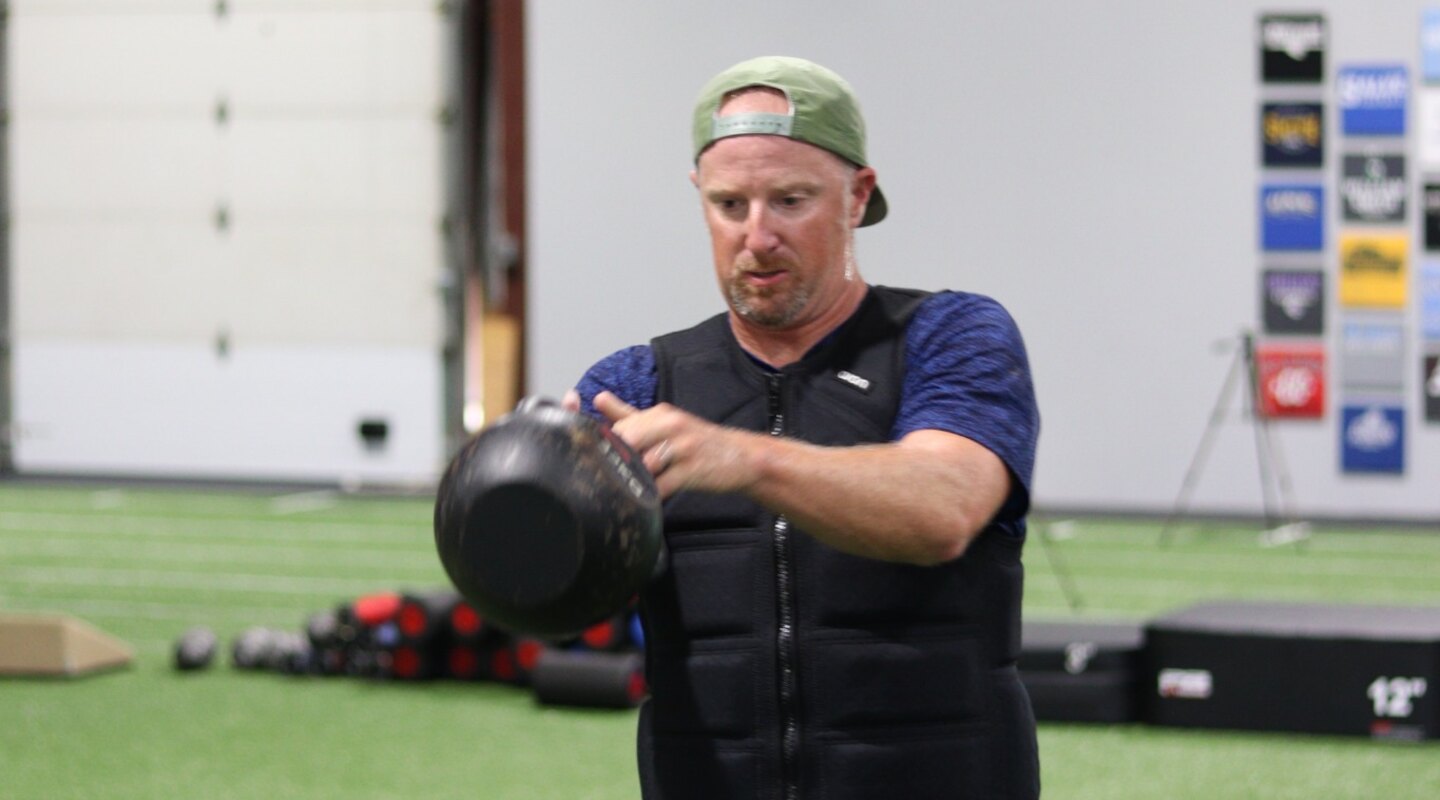
When someone walks into Kyle Brown Performance, whether they're a 13-year-old athlete or a 45-year-old adult, I believe they should be getting something fundamentally different than simply renting access to equipment for an hour.
For me, that difference comes down to three things: programming, a coach's eye and consistency.
Those sound simple. They're not.
A Workout and a Program Aren't the Same Thing
Writing a difficult workout is easy.
Put enough exercises together, reduce the rest periods, add some burpees and make someone sweat for an hour. They'll probably leave tired.
That tells me almost nothing about the quality of the training.
A good program should answer a much more important question: Why are we doing this?
There should be a reason behind the exercise selection, volume, intensity and progression. Today's training should connect to what happened last week and what we intend to do next month.
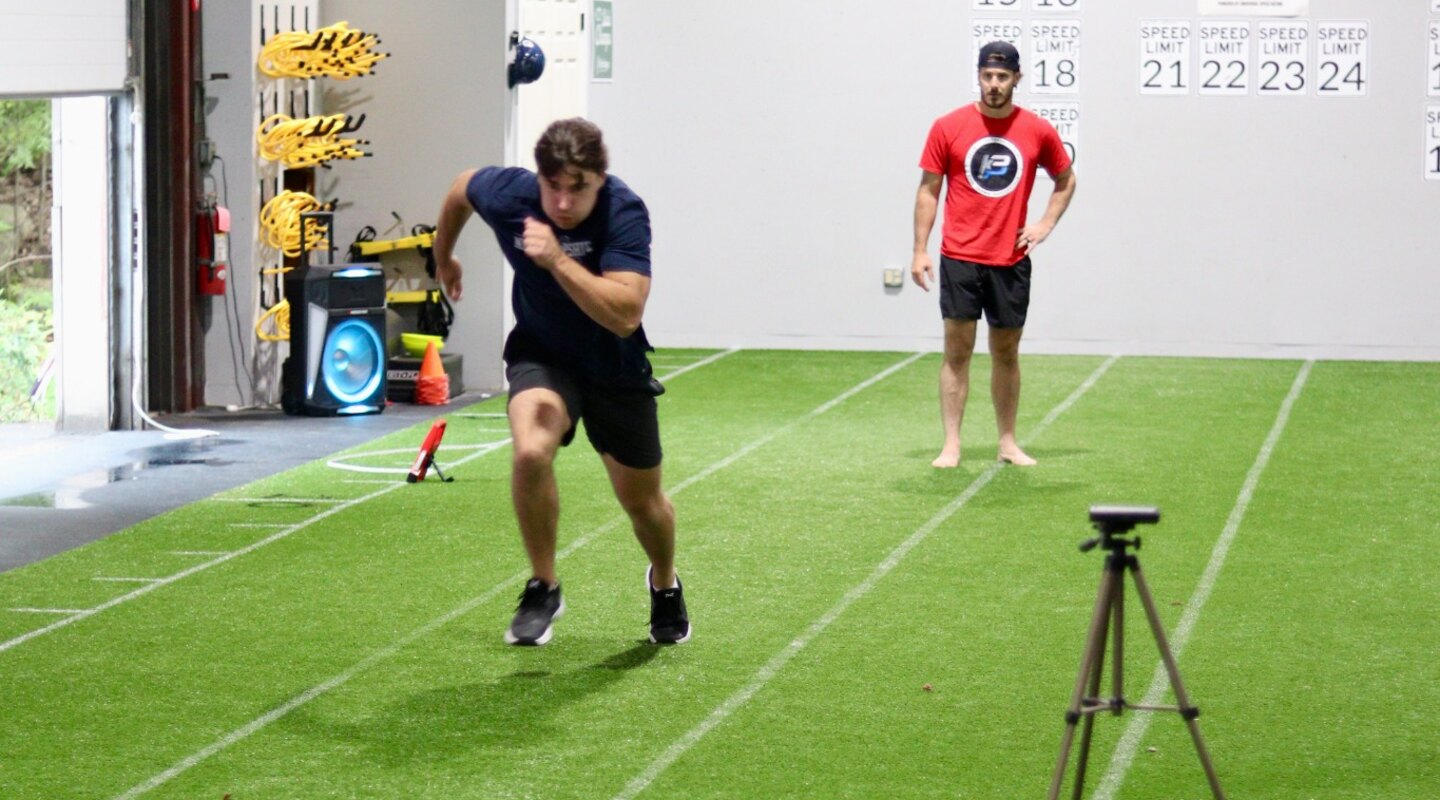
With an athlete, maybe we're trying to develop acceleration, increase strength or improve power. With an adult, maybe we're trying to build total-body strength while improving movement quality and conditioning.
Either way, there should be intent.
One of the biggest influences on the way I view programming came from my years competing in Skeleton for Team USA. When you're trying to compete internationally, training isn't entertainment. Small changes matter. Your physical preparation needs to produce an outcome.
That experience changed the way I looked at training forever.
I don't believe people need to understand every detail of their program when they walk into KBP. In fact, part of our job is taking that burden away from them.
They should be able to show up and train.
We should know why they're doing what they're doing.
Programming Isn't About Showing How Smart You Are
There's another side to programming that I think gets overlooked.
Complicated doesn't mean better.
Sometimes coaches want to demonstrate how much they know by making programs increasingly complex. The client ends up spending more time figuring out the workout than actually training.
That's not useful.
Great programming often looks relatively simple from the outside because the complexity is handled behind the scenes.
The coach is thinking about progressions, training age, volume, intensity, fatigue and movement selection.
The client just knows what they're doing next.
That's how it should be.
A program should serve the person using it. The person shouldn't have to serve the program.
And sometimes that means changing it.
Which brings me to what I think is probably the hardest part of coaching to teach.
The Coach's Eye
A program is written before the session starts.
Coaching happens when the person walks through the door.
Those are two different things.
You can have an excellent program on paper and still have a bad training session if the coach isn't paying attention.
Maybe an athlete is moving slower than usual.
Maybe someone's technique changes as the load increases.
Maybe an adult mentions their back feels different today.
Maybe the prescribed exercise simply isn't working for that person.
A good coach sees it.
More importantly, they know what to do about it.
Do we correct the movement?
Do we lower the load?
Do we change the exercise?
Do we push harder?
Do we pull back?
Do we leave them alone because what they're doing is actually fine?
That judgment is what I mean when I talk about a coach's eye.
It develops through education, experience and thousands of hours spent actually coaching people.
And I think it's one of the most valuable things we can give someone.
Sometimes Coaching Means Pushing. Sometimes It Means Stopping.
People often think of a great coach as someone who motivates you to do more.
Sometimes that's true.
There are days when you need somebody to challenge you. There are athletes who have another gear but haven't learned how to access it. There are adults who are significantly more capable than they believe.
A coach should recognize that.
But good coaching also works in the opposite direction.
There are athletes who will run themselves into the ground if you allow them. There are adults who think every workout needs to be a personal record.
Sometimes the best coaching decision is saying, “That's enough.”
The skill is knowing which person needs which message on which day.
You can't get that from a PDF.
Consistency Is Harder Than It Looks
As KBP has grown, I've spent more time thinking about consistency.
When a business is small and the owner coaches almost everyone, maintaining a standard is relatively straightforward.
Growth changes that.
Now you have multiple coaches. Different personalities. Different experience levels. Different ways of communicating.
That's a good thing.
I don't want every KBP coach trying to impersonate me. Erik should coach like Erik. AJ should coach like AJ. Cameron should coach like Cameron. Sarah should coach like Sarah. Sam should coach like Sam. And Colin should keep doing Colin things.
What I do want is for all of us to hold the same standard.
A client shouldn't receive excellent coaching on Monday because one coach is working and a completely different level of attention on Wednesday because somebody else is there.
Programming needs to remain consistent.
Expectations need to remain consistent.
The level of care needs to remain consistent.
That's one of the biggest responsibilities I have as an owner now.
Earlier in KBP's life, my job was to become a better coach.
Now part of my job is helping build better coaches.
That's a different challenge.
The Building Doesn't Make KBP
Moving into our new facility was a major step for us.
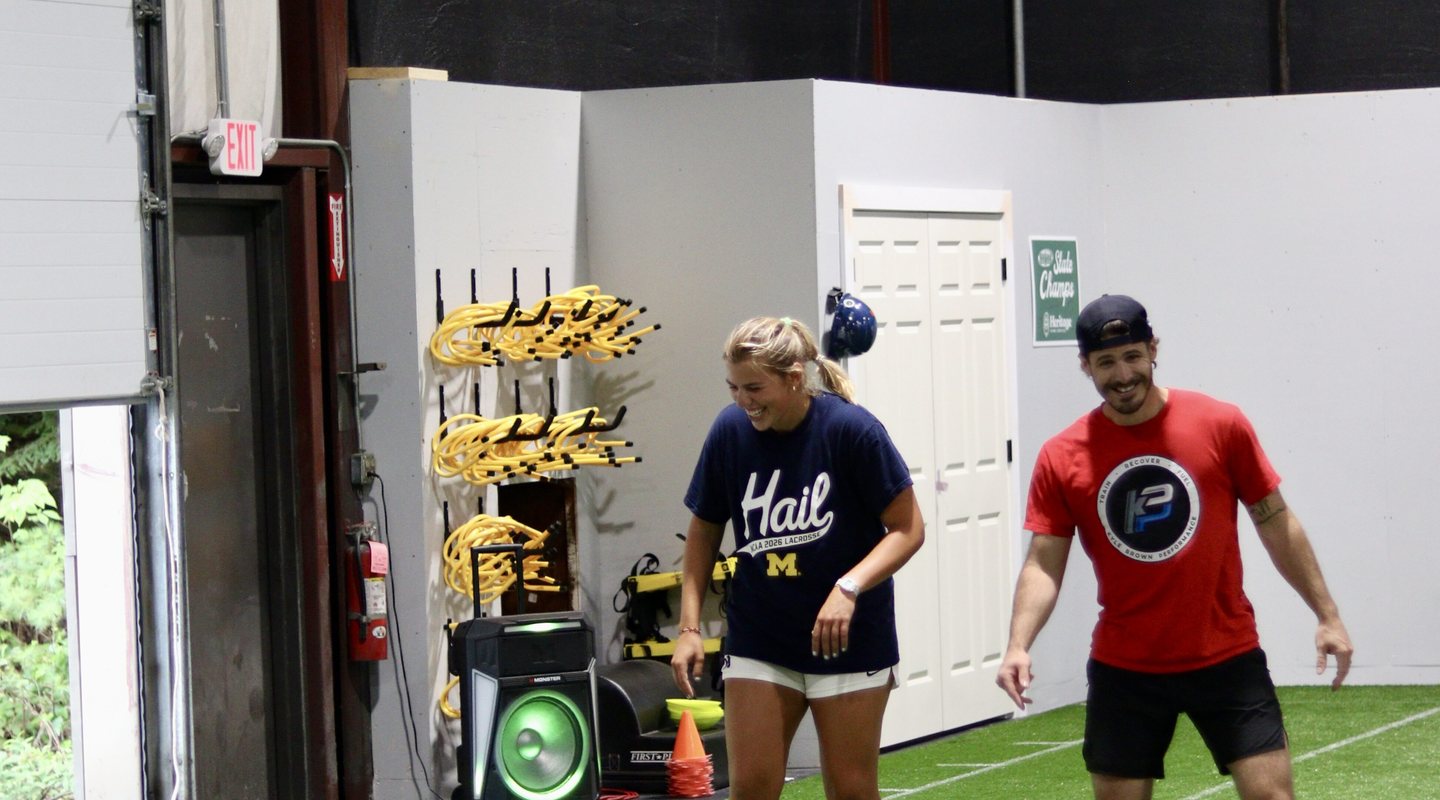
We have significantly more room. We have turf, racks, sleds, bikes, timing systems, weights and plenty of toys that coaches love.
I'm proud of it.
But I'm also very aware that none of those things make KBP good.
Equipment doesn't coach anybody.
Turf doesn't create better athletes.
A big facility doesn't guarantee a good training environment.
They're tools.
What matters is what happens when someone walks through the door.
Is there a plan?
Does the coach know the plan?
Are they paying attention?
Does the person feel like somebody actually knows them?
Is the training progressing?
Are adjustments being made when they're needed?
That's the product.
What Should You Look For?
Whether you're considering KBP or somewhere else, I think people should ask more questions about where they train.
Don't just ask what equipment they have.
Ask how they program.
Ask how they progress training.
Watch the coaches.
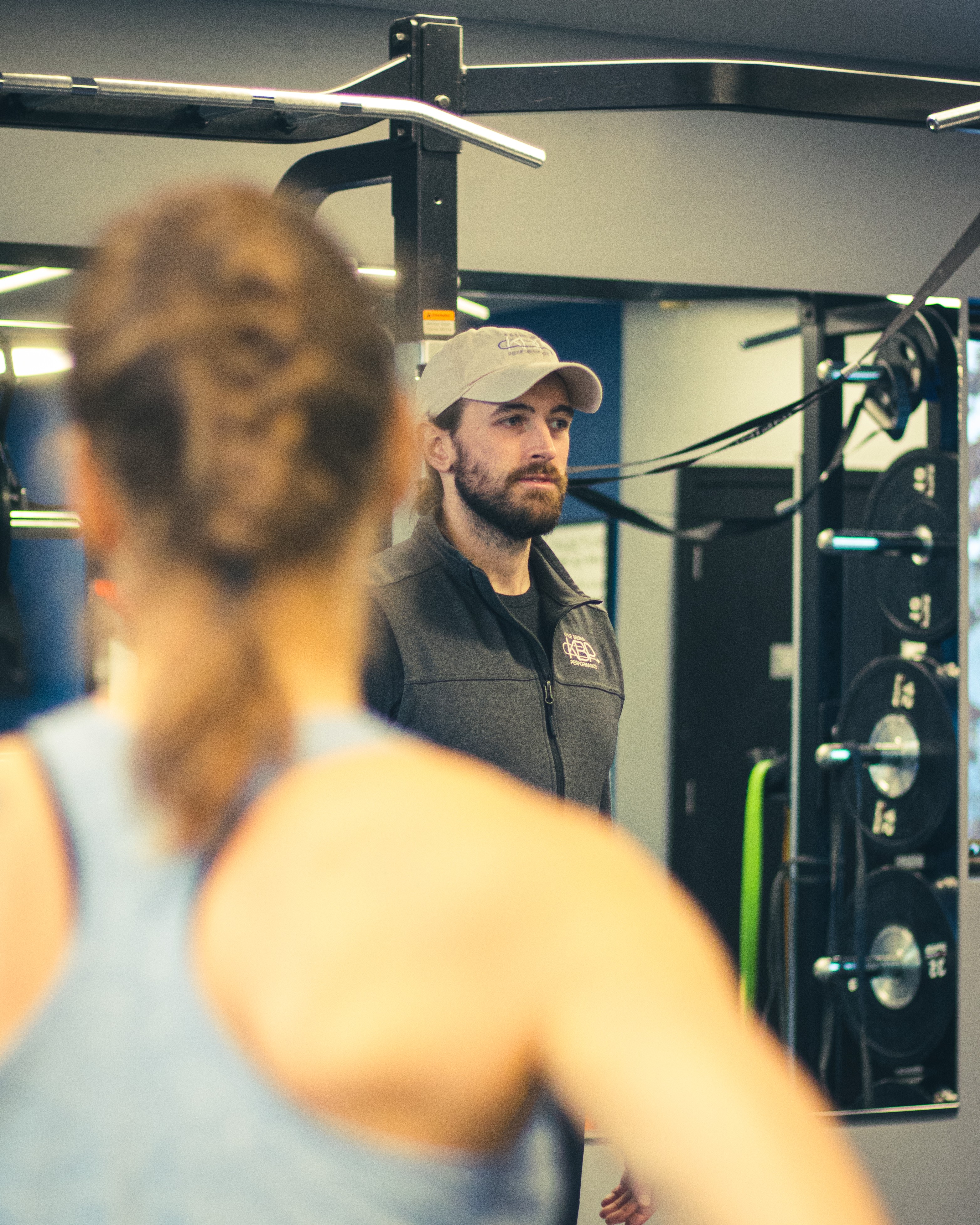
Are they actually watching people move, or are they standing behind a computer?
Do they know the names of the people they're coaching?
Can they explain why someone is doing an exercise?
Does the environment feel coached?
And pay attention to consistency.
Anyone can create a great first impression.
The harder thing is delivering quality training on a random Tuesday six months later when nobody is watching.
That's the standard we're chasing at KBP.
We're not perfect. We're still growing, learning and developing coaches. I think acknowledging that matters too.
But I know what we're trying to build.
Programming. A coach's eye. Consistency.
The building gives us a place to do it.
The people inside it are what make it KBP.